Hazmat Cleanup
Hazmat cleanup uses the appropriate protective equipment for hazardous materials.
See hazmat cleanupGet tear gas and pepper spray residue removed from a home, apartment, rental, vehicle or business after the property is released. Cleanup can include surfaces, contents, filters, vents and affected porous materials.
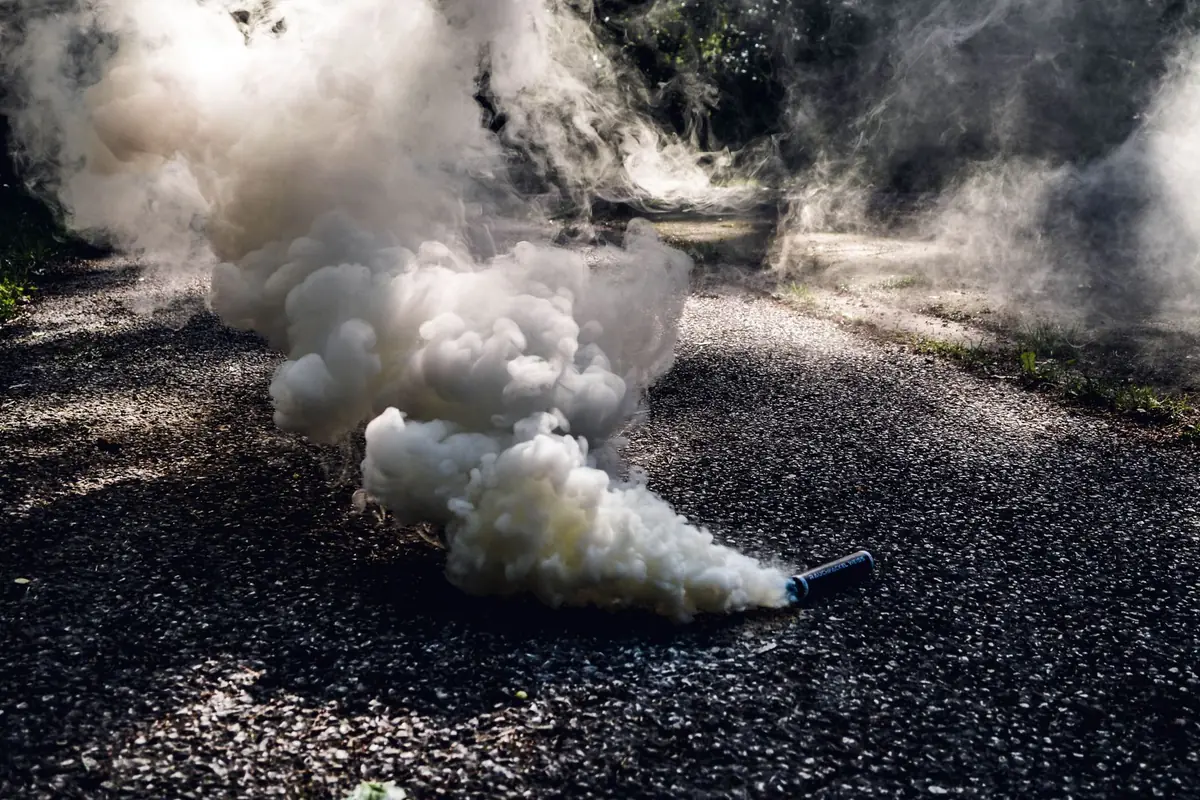
Tear gas cleanup refers to a carefully managed process for removing chemical irritants from an indoor home, rental, commercial space or vehicle after pepper spray, crowd-control exposure or police action.
Fine particles can stay on personal belongings, furniture, counters, flooring and walls even after visible smoke is gone. Nearby materials may also hold a film from pepper spray. Residue can reach places outside the original release when someone walks through the space, carries items away or turns on the air system.
Professional work begins by locating everywhere the irritant traveled and learning which product was released when that detail can be obtained. Protective equipment is worn by trained technicians who isolate work zones and take up loose residue. Compatible materials are washed in an orderly progression and cleaned again if contamination remains. Planning extends to the ventilation system, filters, ducts, soft goods and difficult-to-wash belongings. If the scene contains bodily fluids or blood as well, biohazard remediation may be included in the work.
After personal property is grouped by material type and condition, you can see whether each item needs cleaning, separation or removal.
As cleanup technicians carry materials and equipment, separate work zones and clean routes limit residue transfer between the affected area and nearby rooms.
Before the cleaning process starts, the scope identifies every included room, surface, belonging and air-system component so you can compare the proposed work and decide with clearer information.
Phone help is available day and night. Crews protect your privacy after a hard incident by arriving in unmarked vehicles.
When chemical irritants have settled within a vehicle or occupied building, tear gas removal is needed. The work must be scoped according to every place the material reached. Common examples are:
Residue spread to nearby belongings and surfaces after self-defense spray was discharged in a living area, hallway or bedroom.
Odor, eye irritation or dusty residue returns when surfaces are disturbed because an earlier cleaning did not reach every affected material.
Controlled cleaning is needed before safe normal use can be considered for an office, store, public building or warehouse.
Irritant discharged in a car may coat trim, ventilation surfaces, seating, controls and carpet throughout the enclosed cabin.
Leave the exposed space first, and do not do anything that could carry residue elsewhere. Keep family members and others you care about away, then tell trained professionals what occurred. Before cleaners enter, follow these steps:
Call (888) 440-9227Crimescenecleanup.com's tear gas cleaning guide lists small apartments at $1,500 to $4,000 in cost, single-family homes at $3,000 to $10,000 in cost and commercial properties at $10,000 to $50,000 in cost. These published amounts are not a quote. Final scope is shaped by property size, affected materials, involvement of the air system, elapsed time after exposure and how many cleaning rounds are necessary.
These ranges come from published national cost guides, not from a site visit. An on-site assessment determines your property's price, which is explained to you before the cleanup starts.
Ask about cost: (888) 440-9227Insurance can sometimes cover tear gas cleanup, but exclusions, the reason for the event and the specific policy control the decision. Report your loss, then request that the insurance company determine coverage for the claim you filed.
A property owner or manager usually arranges assessment and cleanup for a rental. Payment responsibility varies with the situation, the policy wording and provisions in the lease.
Organize the police release, incident number, photographs, cleanup plan, materials list, receipts and disposal documentation together. Your record may support insurance assistance so you can move forward on the claim.
Check whether your policy covers a temporary place to stay, air-system work, damaged building materials, personal property and chemical residue cleanup while the affected area remains closed.
If the release followed a qualifying crime, ask whether cleanup assistance applies. Victims of violent crime can ask the Georgia Crime Victims Compensation Program, run by the Criminal Justice Coordinating Council, about crime scene cleanup. The program lists crime scene sanitization among eligible expenses. Insurance is usually checked first.
From release of the property to a closing inspection, remediation takes place as a managed sequence. The work is planned around the rooms involved, the materials affected and the routes that building airflow may have carried residue.
Cleanup technicians examine the affected area and release point along with residue pathways, exposed contents, HVAC design and incident damage.
The scope lists rooms to isolate, surfaces to clean, contents to move, filters to address and materials that may need removal.
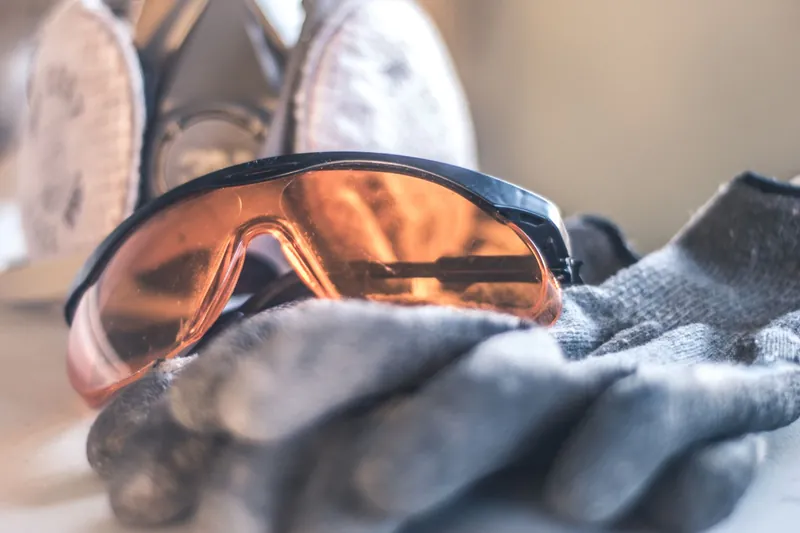
Barriers distinguish the cleaning zones from clean areas, and technicians choose protective clothing, breathing protection, gloves and eye protection for the conditions.
Controlled collection techniques reduce airborne dust while removing loose residue. Cleaning progresses downward to the floor and inward from less affected edges toward the point of release.
Compatible ceilings, walls, floors, cabinets and fixtures receive detailed wet cleaning. Cleaning rounds continue where visible film or irritation remains.
Hard surfaces and washable contents are treated according to their finish so residue is removed without spreading it or causing avoidable material damage.
Operation of the air system during or after release calls for checking its accessible surfaces, filters, returns and supply vents.
The cleaned rooms, contents and connected areas are checked for missed residue, remaining odor and surfaces that need another cleaning pass.
Phone any hour. A tear gas and pepper spray cleanup specialist answers, explains the steps and agrees a start time with you.
Residue left by pepper spray or tear gas may irritate the skin, eyes and breathing passages again once affected material or contaminated dust is moved. Direct questions about severe health concerns to a medical professional.
Residue may travel outside the release room through open doors, people walking and HVAC operation. Nearby travel routes and air returns need to be included in the assessment.
Upholstery, carpet, garments and similar soft surfaces can pass their residue onto your face and hands. Another exposure can occur when you touch the items without suitable protective gear.
Fine particles can remain on shelves, floors, trim and hidden ledges after the air looks clear. Dry sweeping or ordinary vacuuming can put those particles back into the air.
Can you clean it yourself? A short exposure outside differs from a release within a building. Do not treat indoor tear gas residue as ordinary dust or rely on fragrance to hide it. Close off the space, skip DIY tests and request a scope addressing contents, surfaces and the air system.
Durable materials are cleaned when the residue can be reached without ruining the finish. Porous or damaged materials may need removal when repeated cleaning cannot resolve the contamination.
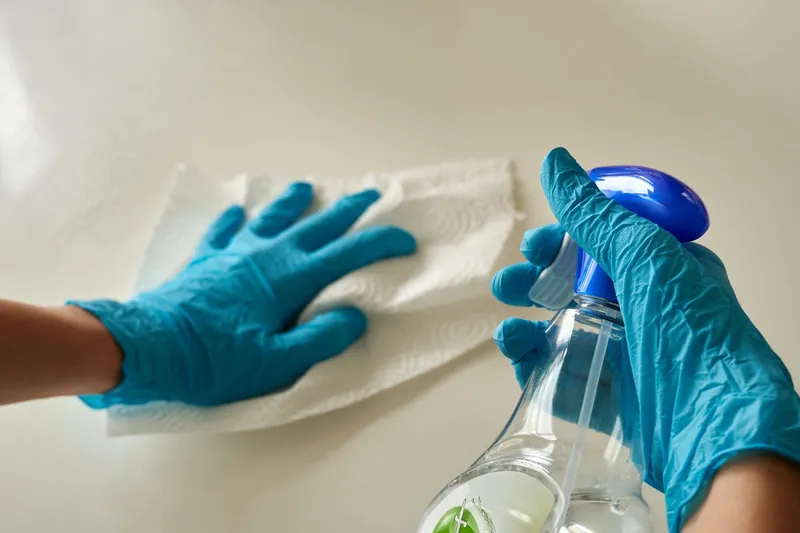
Tear gas cleaning may take one work visit or several, with responsible timing set after the site is assessed. A release confined to hard surfaces is generally less complex than contamination across multiple rooms, porous belongings or the air system. If carpeting, drywall or other construction materials must come out, restoration services may be needed afterward.
| Scene | Typical time on site |
|---|---|
| Limited release on hard surfaces | When residue is limited to one location, cleaning might be finished during a targeted visit |
| House with affected contents or air-system exposure | Plan for area isolation, detailed surface work and repeat cleaning |
| Large commercial or multi-room property | Cleaning can proceed room by room, allowing each space to be inspected before use resumes |
Odor removal begins with residue removal. Fragrance, paint or a quick airing-out can hide an odor without cleaning particles from shelves, fabrics, wall surfaces and other places where irritant material was left behind. A weak smell also does not prove that the affected area is ready for use.
Air quality work should be directed along the route contamination followed. Possible steps include replacing impacted filters, using controlled ventilation, cleaning around supply vents and returns and addressing dust on air-system surfaces that can be accessed. HEPA air cleaning can play a supporting role. It cannot take the place of surface cleaning or removal of affected materials.
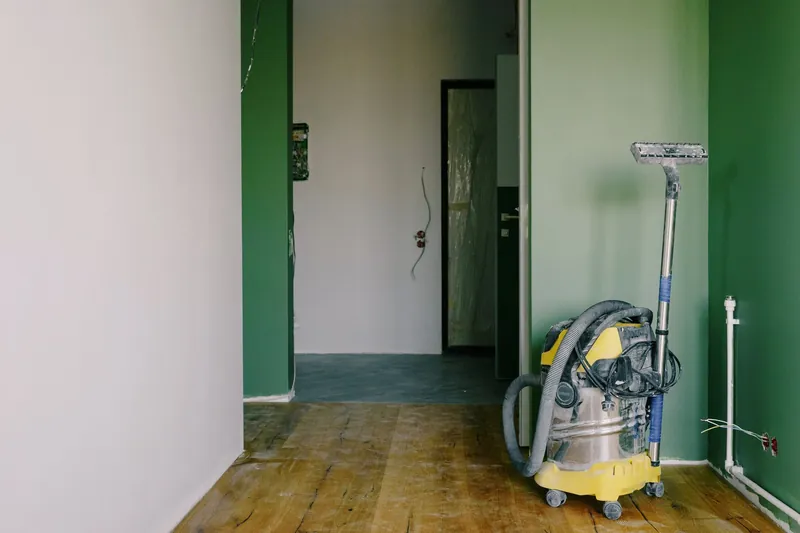
The full tear gas and pepper spray cleanup guide covers what is cleaned or removed, odor and air quality work, and the rules that apply in your state.
Read the full tear gas and pepper spray cleanup guideLocal population patterns, housing and site access may affect how containment and cleanup are planned.
At 49.1% renter occupancy, cleanup needs vary between leased units and owner occupied homes, especially around authorization for demolition.
A median construction year of 2008 often means modern assemblies, yet fluids can still move beneath floating floors and baseboards.
In Lovejoy, 187 older adults live alone, making privacy important when relatives, landlords, or building staff become involved.
With 66.2% single-family housing, cleanup plans should fit both private homes and units with common halls, walls, or ventilation.
During your call, ask whether cleanup is available in surrounding communities and ZIP codes.
Hazmat cleanup uses the appropriate protective equipment for hazardous materials.
See hazmat cleanup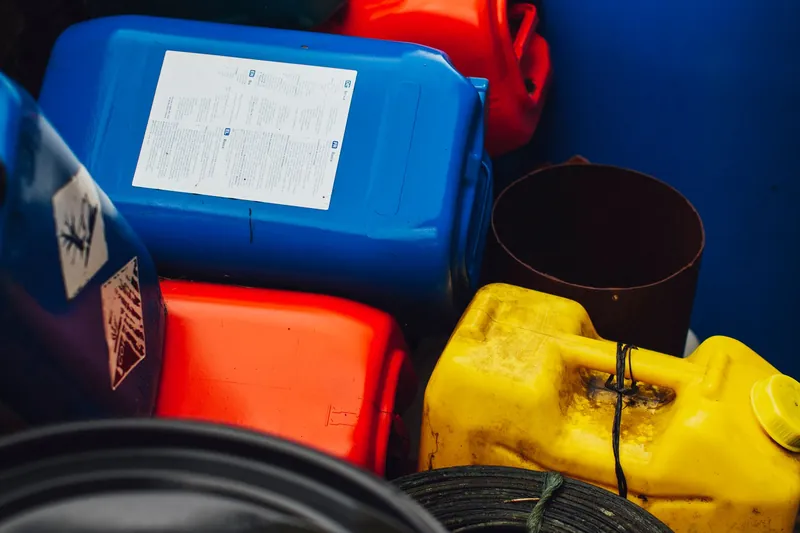
Safe disposal is included with chemical and toxic waste cleanup.
See chemical and toxic waste cleanup
After the property is released by police, crime scene cleaning removes blood and controls odor.
See crime scene cleanup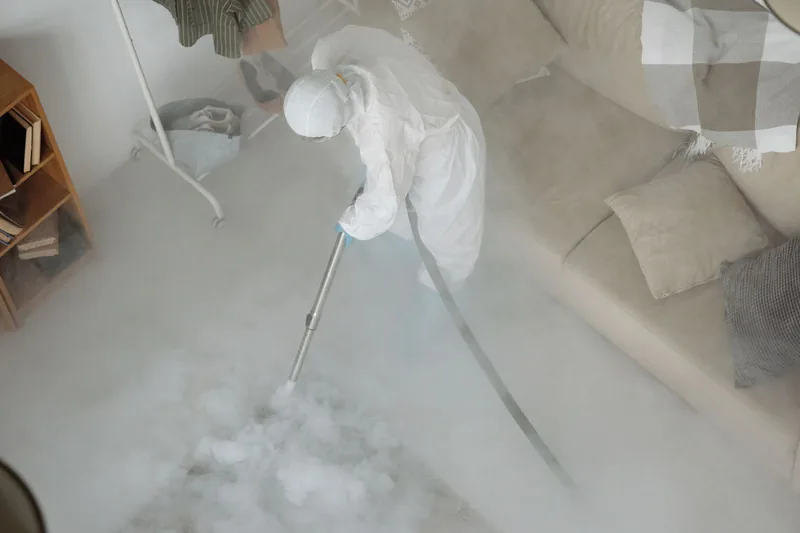
Rooms, surfaces and air receive complete decontamination following infectious or hazardous exposure.
See biohazard decontamination
Site access and operating needs guide planning for commercial and industrial biohazard cleanup.
See commercial and industrial biohazard cleanup
Biohazard cleanup for hotels, Airbnb units and rental properties.
See hotel, airbnb and rental biohazard cleanup
Vehicle biohazard cleanup for cars, trucks, boats and RVs.
See vehicle biohazard cleanup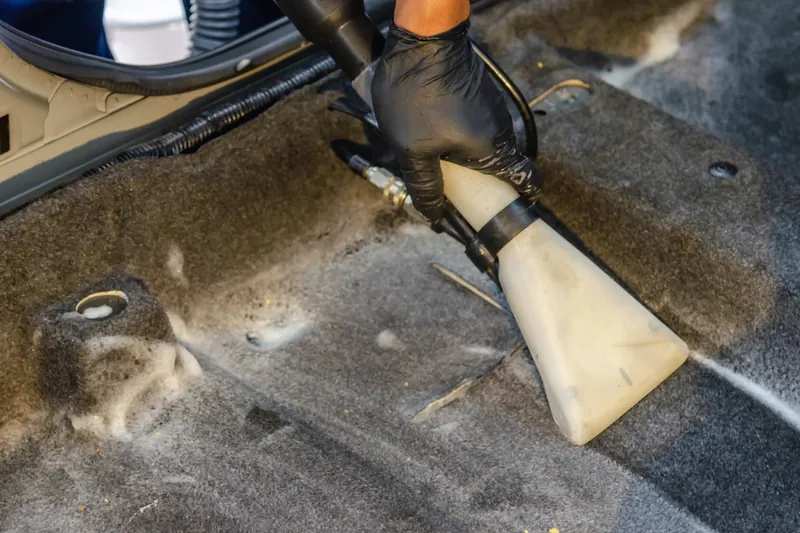
Biohazards are cleaned from carpets and upholstery, or affected materials are removed safely when needed.
See biohazard carpet and upholstery cleaningYour coverage is determined by the cause of release, the policy terms and relevant exclusions. After reporting the incident, ask the insurance company whether building materials, temporary housing, chemical residue cleaning, air-system work and personal property fall within the coverage. Store photographs, the property release, cleanup scope, invoices and disposal documentation for your insurance company.
For tear gas cleanup cost, the cited guide gives $1,500 to $4,000 for small apartments, $3,000 to $10,000 for single-family homes and $10,000 to $50,000 for commercial properties. The final scope varies with area size, air-system exposure, material types, elapsed time and the need for multiple cleaning rounds.
Go from the affected area to fresh air outdoors. Follow emergency personnel guidance, keep children and animals outside and avoid all contact with any canister. Call 911 for severe breathing trouble or another medical emergency. If law enforcement has secured the site, await official release prior to moving items or scheduling tear gas cleanup.
A small outdoor exposure is different from an indoor property release. Moving fabric items and using ordinary brooms or vacuums can spread particles during DIY work. Interior cleaning may need to address possessions, ceilings, walls, air equipment and porous materials that cannot undergo washing. Professional evaluation establishes the affected area and explains the cleaning process before work gets underway.
Do not rub your eyes. Get to fresh air and obey instructions given by emergency or health personnel. Remove contact lenses if you can do so easily. Get urgent medical help for severe pain, vision problems, breathing trouble or symptoms that do not improve. Do not begin cleaning the property before the immediate exposure emergency has ended.
A universal household mixture for safely neutralizing any tear gas product on any material does not exist. Keep powders off floor surfaces and do not combine different cleaners. During professional cleanup, technicians locate exposed surfaces, remove loose residue, wet-clean compatible materials, address soft contents and inspect the HVAC path. Technicians may need to clean affected surfaces repeatedly.
Discreet, respectful tear gas and pepper spray cleanup, 24 hours a day, with crews in unmarked vehicles.